
No sleep in SF
It’s a windy night on Market Street. It’s been another rough day. I know I need to get my shit together. First I need a shower and clean clothes. No. First, I need this crazy noise to shut the fuck up. It’s pounding in my head. I know I look mad when I clutch my head into my hands and howl like a beast. Even doctors don’t understand what gets me. People think I’m about to transform into Hulk or something. I actually feel like I am about to implode. It hurts like hell. And yes, booze is my medicine. I mix it up with whatever comes my way. It heals me. It calms me down. It makes me whole again. I know it fucks me up too, but what can I do? Am I going to say no to feeling alright, even if it is just for a minute?
What I need now is a corner to crash out. One that doesn’t smell too much like pee and that’s far enough from the crackheads. These guys are even more hopeless. They’ll rob my shoes if they can. SoMa is quiet on a Tuesday night. It’s mostly just me and a few other losers. During the day, yeah it gets a little more busy, with cabs and delivery services going in and out of these buildings. The geeks inside don't walk out and no one really lives here. Why would they? You don’t get poke bowls, latte and cocktails here. Liquor stores, pizza slices… Junk is what you get.
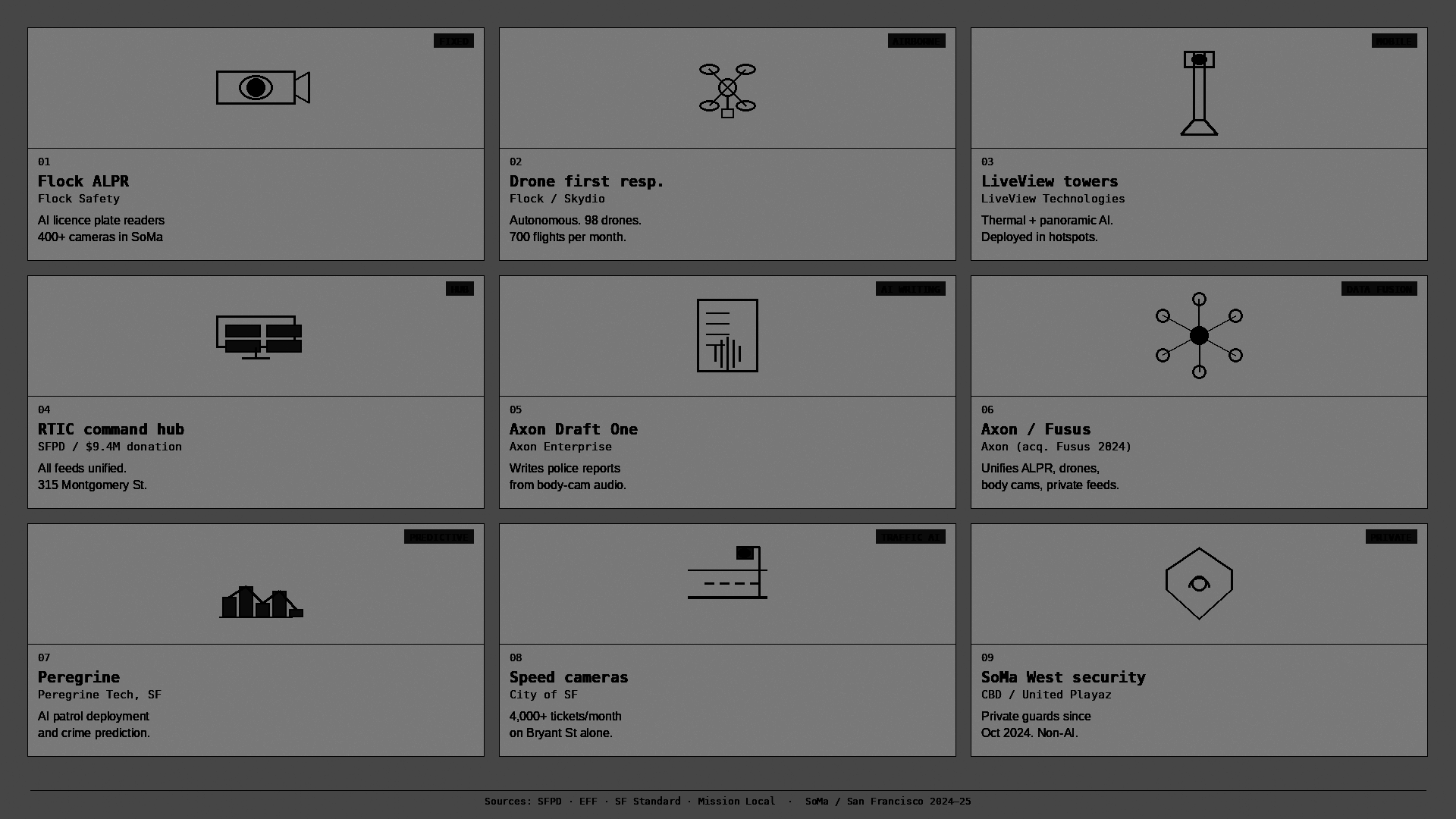
What really bothers me right now is that god damn drone watching me. It’s ok, I’m not dying right away, come back later! Get the fuck out. Leave me alone. This is why no one comes here anymore. They won’t let you be in peace. Light in my face. Robot says I can’t be here. Who are you to tell me what the fuck I can do? Are you for real? Turn off that light! Let me sleep. Catch this can! I’m too drunk to aim correctly. Anyway, it has better reflexes than me. Is this thing really predicting my moves? I think I prefer real coppers, at least you can upset them if you find the right words. This one doesn’t react to insults. No beating heart to hurt. It just wants me out by any means. If it had teeth it would bite me in the ass. I’m surprised they haven’t invented that already.
Ok, bitch. If you don’t want me lying in the street, I’ll find myself another spot. First let me throw this can again. There! I almost hit you, stupid flying German shepherd! That’s it, go away now, you got me walking again. If I can’t be in the street, I’ll find myself a place inside a car, or I’ll break into a building. Now, that’s a nice glitzy building right here, ‘Anthropic,’ it says. Certainly ain’t tropics here. Though I do feel a bit like a stray ant looking for a hole to crawl. Can’t believe these people are still at their desks working when the entire city is asleep, except for me and that nightmarish flying dog that’s coming back again. Where were you? Out of juice? Me too.
This time it isn’t alone. Here is a police vehicle and two officers, all lights flashing. No request for ID. They know my name, my age and what was once my address. The Lifeview towers must have processed my face. Even at night, after months of living in the street, they can recognize me. Why are they handcuffing me? Intent to destroy state property. If only I had managed to hit that nasty drone! I’m in the backseat, being interrogated by the screen in front of me. My eyes are scanned, a medical report appears on the screen. Do I admit having consumed illicit substances or will a blood test be necessary? Who cares? Yes, I admit. Take me to the cell, then. At least there, I’ll have a bed and a shower.
The City After Dark
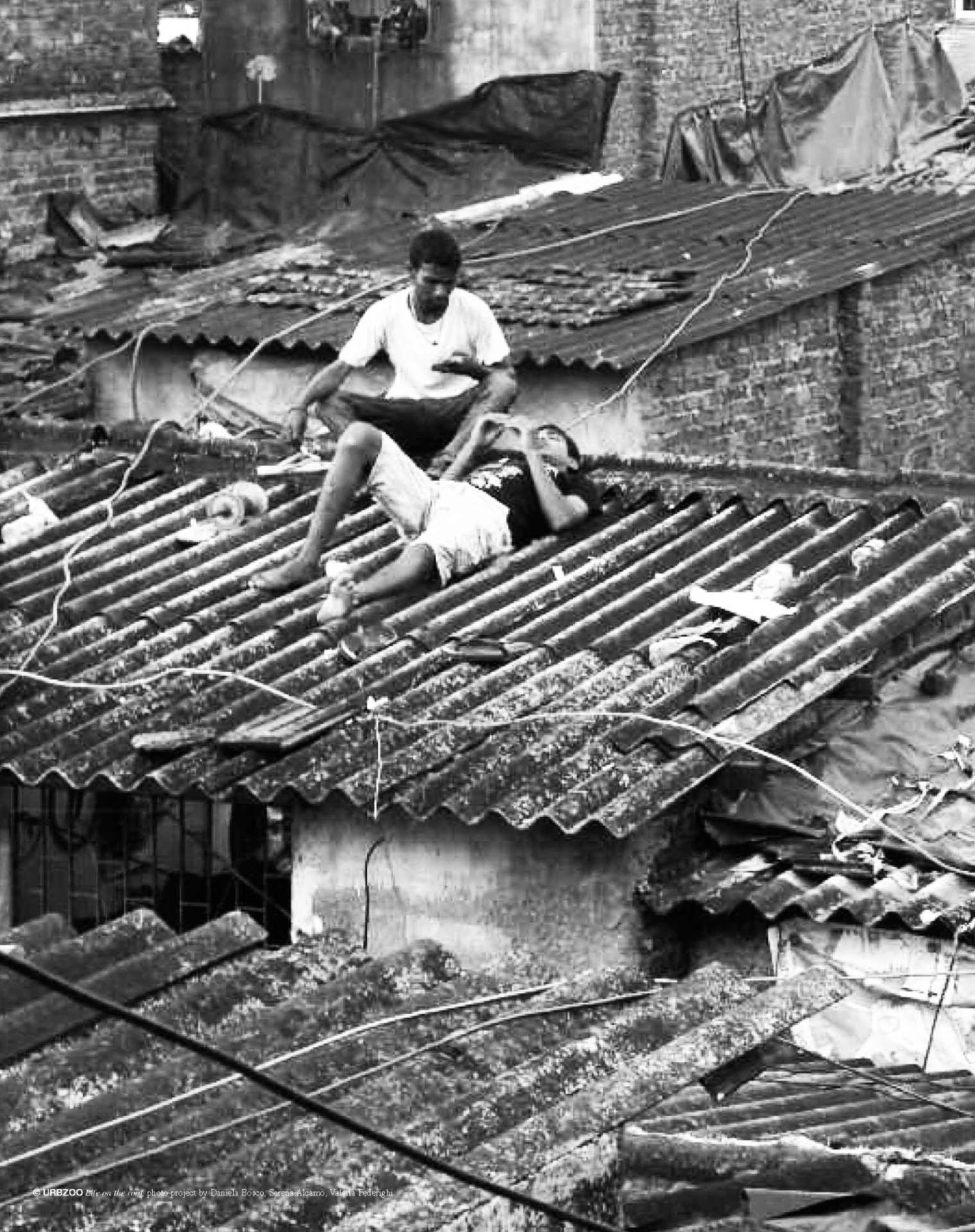
The city after dark
When the planner sleeps
The hood lits up
When the gardener rests
Weeds creep up
When motors are off
The wind blows in
When work is over
The roofs get busy
New Day
Well, show me the way To the next whiskey bar Oh, don't ask why Oh, don't ask why — The Doors, Alabama Song
It's a new day. Shadows are melting away. In their stead, a spotless, incandescent light. No place to hide, it penetrates every crack and corner.
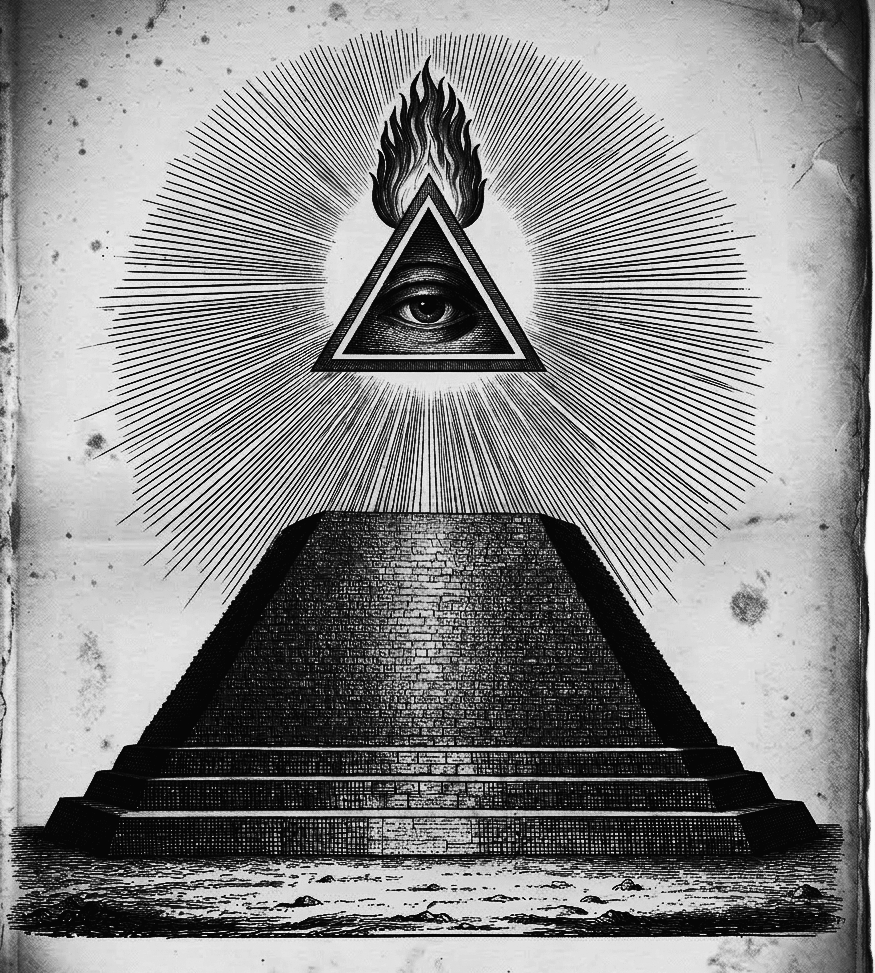
Fire.
Wasn't it its mastery that distinguished us from other animals? Or was it rather language, which allowed humanity to unite and defy not only nature, but God Himself? Both have the power to consume and whipe clean intricate landscapes.
Ask Claude.
Large Language Black Holes: every bit of text that could be scraped has been thrown into them. And now they can rebuild the world with words. The light of knowledge is all pervasive. We can find answers to everything. But who knows the questions? Here is one:
What happens when we become the subject of this intelligence? When everything can be known about us at the drop of a prompt? Not just our biography, but our deepest fears and fantasies, our diseases and deviances. Even things we ignored about ourselves are now accessible. There is nowhere to hide.
The city used to be where you could be nobody if you wanted. A stranger in the crowd. But there are no more strangers when every face can be traced back to a name.
LLMs attribute meaning to words based on their positions relative to other words, placing them in a multidimensional matrix. Humans are caught like flies in a relational web. Statistical probabilities become self-fulfilling prophecies: This one may go as far as here, but there is only a 0.01% chance that he goes all the way there.
It's bad enough that our chances in life can be inferred with machinic precision; our moves could be constrained just enough to turn possibility into impossibility. Forget movement. It is now easy to put guardrails on thoughts.
Should we resist the kind of predictive efficiency that can bring crime near zero? Won't we all agree that shadows can go, the same way the city's light pushed away the darkness of the night? Who wants to hide? Criminals and deviants. The rest of us, good citizens, want to live in the light, always and everywhere. The holy fire of knowledge will burn our sins before we can even fantasise them.
Where will we still find the dark corners of our city? Where is the last shadow where I can hide?